Beyond the Dashboard: The Rise of Data Visibility
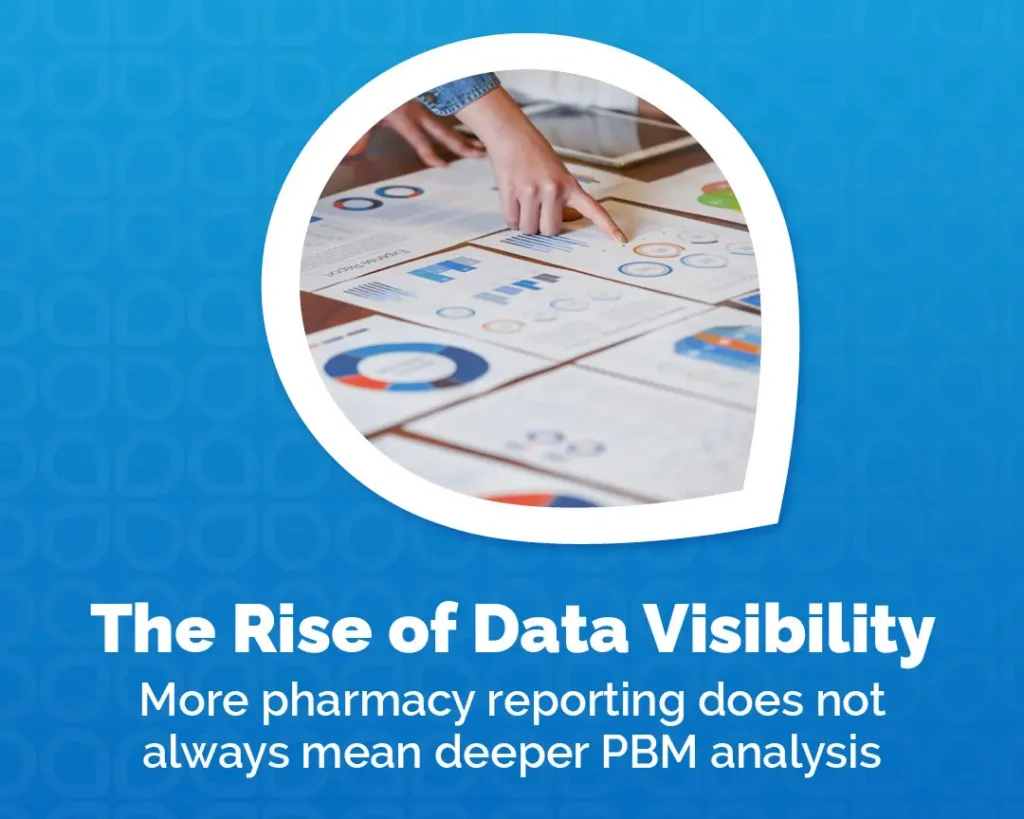
Pharmacy reporting has become far more accessible over the last several years. Employers and advisors now have access to dashboards, benchmarking tools, side-by-side proposal comparisons, and detailed reporting that organize large amounts of information quickly.
The rise of data visibility has changed how employers review PBM arrangements and pharmacy costs. More organizations now expect easier access to reporting, financial comparisons, and utilization data during the evaluation process.
At the same time, increased visibility into pharmacy data has also highlighted how complex PBM modeling can be beneath the surface. Contract terms, rebate arrangements, specialty drug classifications, and utilization patterns can all influence projected costs in different ways.
A dashboard may summarize the numbers neatly, but the methodology underneath those projections carries far more weight than the visual presentation itself.
As self-funded employers continue taking a closer look at pharmacy spend, many are asking more detailed questions about how projections are calculated and how assumptions are evaluated. Partnerships between TPAs and specialized pharmacy consultants help support that deeper level of analysis.
PBM Modeling Requires More Than Summary Reporting
PBM evaluations are rarely simple comparisons between two pricing options.
Small differences in contract language, rebate eligibility, specialty classifications, or exclusions may significantly affect projected savings over time. Many reporting platforms simplify those variables into high-level summaries that are easier to review but leave out important context behind the calculations.
Assumptions Carry Significant Weight
Pharmacy projections often depend on assumptions tied to:
- Utilization trends
- Rebate eligibility
- Member participation
- Formulary strategies
- Specialty drug management
If those assumptions are outdated or overly aggressive, projected savings may not align with renewal performance down the line. This is one reason accurate PBM analysis requires ongoing review rather than static reporting. Contracts evolve, pricing structures change, and drug utilization trends continue shifting across the market.
Reporting Tools Have Limits
Dashboards remain valuable for organizing and presenting information. They can simplify comparisons and help employers review pharmacy data more efficiently.
Still, reporting tools represent the final presentation layer of the process.
They typically do not explain how assumptions were developed, how pricing terms were interpreted, or how operational factors may affect future costs. For a self-funded employer, those details matter. Pharmacy decisions may influence budgeting, vendor strategy, member experience, and long-term plan performance.
Experienced Review Supports Better Decision-Making
Strong PBM analysis often includes:
- Claim-level evaluation
- Review of contract provisions
- Assessment of rebate methodologies
- Analysis of utilization trends
- Coordination with broader plan strategy
Those discussions require more than automated reporting. They depend on experienced interpretation and ongoing collaboration between TPAs, pharmacy consultants, and employers.
How TPAs Support Pharmacy Strategy
The role of TPAs continues to expand as employers seek more strategic support across all areas of plan management, including pharmacy oversight.
Administrative services remain essential, but employers increasingly rely on TPAs to help evaluate financial trends, coordinate vendors, and review opportunities for stronger plan performance over time. BRMS partnerships with organizations like Navion help strengthen that process by bringing additional pharmacy expertise into broader health plan discussions.
At BRMS, pharmacy analysis is approached as part of a larger benefits strategy rather than a standalone reporting exercise. Reviewing PBM arrangements alongside plan design, utilization patterns, and long-term cost management efforts supports more informed decision-making for self-funded employers.
The Bottom Line: PBM Reporting Does Not Tell the Full Story
Pharmacy reporting tools continue evolving, and employers now have access to more healthcare data than ever before. While dashboards and summary reports can support discussions, the methodology behind the numbers remains a critical part of the evaluation process.
PBM analysis involves layered pricing arrangements, changing contract terms, utilization assumptions, and operational considerations that require regular review and experienced interpretation. For self-funded employers, those details may influence both current pharmacy spending and plan strategy.
At BRMS, we support our trusted and valued clients with ongoing guidance and resources to help navigate those deeper levels of analysis with confidence.